


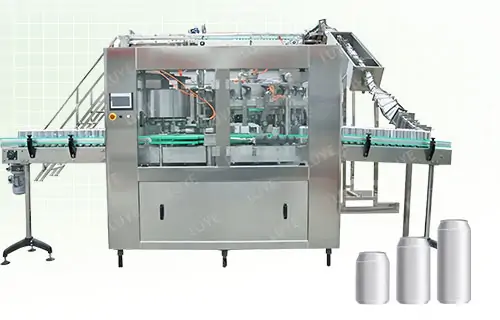




How Does a Wine Filling Machine Control Filling Levels
A wine filling machine needs to maintain a stable liquid level in every bottle during continuous production. For wine products, filling accuracy depends on the filling valve, liquid supply, bottle positioning, and operating parameters. Luye uses automatic filling equipment with adjustable filling volume and filling valves designed for stable liquid-level control.

The Filling Bowl Maintains Stable Liquid Supply:
The filling bowl supplies wine to multiple filling valves during production. Luye wine filling equipment uses automatic liquid-level control to keep the filling condition stable while the valves operate.
A stable liquid supply helps each filling valve receive wine under similar conditions. This supports consistent filling results across bottles and reduces unnecessary liquid loss during continuous operation.
Filling Valves Control the Wine Flow:
The filling valve directly controls how wine enters the bottle. Luye wine filling machines use high-speed filling valves to maintain accurate liquid levels, and operators can adjust the filling volume according to production requirements. A suitable beverage filling machine can be configured based on the required filling volume and production speed.
Before setting the machine, technicians need to check the bottle size, required filling volume, wine characteristics, and target production speed. These parameters determine the appropriate filling settings.

Bottle Positioning Affects Filling Accuracy:
The bottle needs to stay correctly positioned under the filling valve throughout the filling cycle. Stable bottle positioning helps the valve deliver the required amount of wine into each container.
Bottle dimensions also affect the filling setup. Technicians need to check bottle height, diameter, neck specification, and volume when configuring the equipment.
- Bottle size: Determines the suitable filling range and positioning requirements.
- Filling volume: Determines the required filling settings.
- Line speed: Affects the filling cycle and production capacity.
Vacuum And Pressure Support Stable Filling:
Different wine products may require different filling methods. Luye wine filling line configurations can use vacuumizing and low-temperature equal-pressure filling according to the production process. These operations help control the filling environment and support stable liquid transfer.
Technicians also need to consider foaming and oxygen exposure when selecting the filling method. The final settings should match the wine type, bottle specification, and production requirements.
Complete Line Settings Keep Filling Consistent:
Filling accuracy does not depend on the filling valve alone. Bottle washing, filling, capping, conveying, labeling, and packing equipment need to work together as a complete production process. Luye provides wine filling production line solutions that connect these processes according to project requirements.
Luye can configure a wine filling production line according to bottle size, wine type, filling volume, target capacity, and downstream packaging requirements. The technical team can also select a suitable beverage filling machine according to the actual production requirements.
FAQ:
Q1: How does a wine filling machine control the filling level?
A: The machine controls the filling process through the filling bowl, filling valves, bottle positioning, and operating parameters.
Q2: Can the filling volume be adjusted?
A: Yes. Luye wine filling machines support adjustable filling volume according to production requirements.
Q3: Does bottle size affect filling accuracy?
A: Yes. Bottle height, diameter, neck specification, and volume can affect positioning and filling settings.
Q4: Can the machine handle different wine products?
A: Yes. Luye wine filling equipment can handle white wine, red wine, yellow wine, health wine, and other suitable liquid products.


