


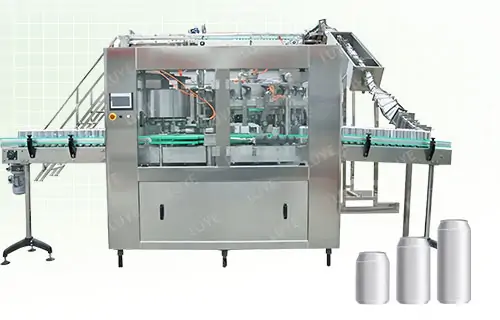




What Maintenance Points Matter for Beer Filling Equipment
Beer filling equipment works with carbonated products, filling valves, sealing components, conveyors, and cleaning systems. Regular maintenance helps keep these parts working together and makes it easier to identify problems before they affect production.

Filling Valves Need Regular Inspection:
Filling valves are in direct contact with beer during production. Their sealing condition, movement, and cleanliness can affect filling stability. Therefore, operators should inspect valves regularly and check for residue, leakage, or abnormal movement.
For equipment using counter-pressure filling, the gas and liquid paths also need attention. LUYE beer filling machines use CO₂ pressurization, liquid level control, and automatic gas replenishment to support stable filling.
Sealing Components Should Stay in Good Condition:
Seals and gaskets can gradually wear during continuous operation. A damaged seal may cause leakage or affect pressure control. Checking these parts during routine maintenance can help reduce unexpected downtime.
Operators should also check the capping system and confirm that bottles or cans seal properly after filling. LUYE beer filling equipment combines rinsing, filling, and capping functions in one machine.
Cleaning Keeps Product Contact Parts Ready for Production:
Cleaning is another important maintenance task for beer filling equipment. Product-contact surfaces, tanks, pipes, and liquid channels should be cleaned according to the production schedule.
For larger beverage systems, a beer filling machine can work with CIP equipment to simplify cleaning of product-contact surfaces. A CIP system can clean tank walls, pipes, liquid cylinders, and other product channels without dismantling them.
Conveyors and Moving Parts Require Routine Checks:
Conveyors and other moving parts operate continuously during production. Operators should check chains, guides, bearings, lubrication points, and bottle transfer areas.
In addition, unusual noise or vibration should be checked promptly. Early inspection can help prevent a small mechanical issue from developing into a production interruption.

Electrical and Control Systems Need Routine Monitoring:
The control system manages filling parameters and equipment operation. Regular checks should cover sensors, switches, electrical connections, and the control interface.
- Filling valves and seals: Check for residue, leakage, wear, and abnormal movement.
- Conveyor movement: Inspect chains, guides, bearings, and bottle transfer areas.
- Product-contact areas: Clean tanks, pipes, liquid channels, and other relevant surfaces.
- Lubrication points: Check lubrication conditions and replenish lubricant when necessary.
- Alarms and sensor signals: Review equipment alarms and confirm that sensors and control signals work properly.
For complete beverage projects, manufacturers can match the CIP system configuration with the filling line according to cleaning requirements.
FAQ:
Q1: How often should beer filling equipment be maintained?
A: Maintenance frequency depends on operating hours, production conditions, and equipment configuration. Operators should perform daily checks and follow a scheduled maintenance plan.
Q2: Why should filling valves be checked regularly?
A: Filling valves directly affect beer filling and sealing conditions. Regular inspection helps operators identify residue, leakage, and wear.
Q3: Does beer filling equipment need CIP cleaning?
A: Product-contact parts need regular cleaning. CIP can be used for suitable tanks, pipes, and liquid channels.
Q4: What parts should operators check first?
A: Operators can start with filling valves, seals, conveyors, lubrication points, sensors, and electrical connections.


