


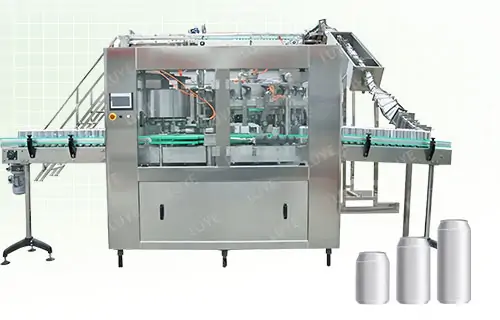




How to Plan Water Filling Production Capacity
Water production manufacturers need to match production capacity with actual order demand. Before selecting a water filling machine, they should consider bottle specifications, target output, factory space, and future production plans. These factors help determine a suitable equipment configuration and avoid unnecessary investment.

Production Targets Determine Equipment Selection:
The first step is to estimate the number of bottles required per hour or per shift. Different factories have different production needs. Some handle large orders of standard bottles, while others produce several sizes for different customers.
When choosing a water filling machine, manufacturers should compare rated output with their actual production targets. Bottle size, filling volume, and line configuration can all affect the final output.
A realistic production target helps manufacturers avoid purchasing equipment with insufficient capacity or investing in more capacity than they need.
Bottle Specifications Affect Equipment Configuration:
Bottle size and shape influence equipment selection and production arrangements. Small PET bottles and large water containers may require different handling components and operating settings.
Before requesting a quotation, manufacturers should prepare the following information:
- Bottle volume and dimensions
- Bottle material and design
- Cap type
- Required production capacity
- Expected order quantities
These details help equipment suppliers assess the project and recommend a suitable configuration.
Production Capacity Depends on the Entire Line:

A water filling production line includes several stages, such as bottle feeding, filling, capping, labeling, and packaging. The output of the complete line depends on how these stages work together.
If one section cannot handle the output of the others, it may restrict overall production. Manufacturers should therefore evaluate the capacity of each major unit rather than focusing only on the filling machine.
They should also account for material replenishment, product changes, and routine production interruptions when estimating daily output. This provides a more realistic basis for production planning.
Factory Layout Affects Future Expansion:
Factory space and equipment arrangement can influence production efficiency. Manufacturers need to consider installation space, material movement, operator access, and utility connections before finalizing a layout.
Factories expecting higher demand in the future should also consider whether the production line can be expanded. Reserving space for additional equipment may reduce the need for major layout changes later.
Luye can assess equipment requirements based on bottle specifications, target output, factory conditions, and planned production arrangements.
FAQ:
Q1: How do manufacturers calculate production capacity?
A: Manufacturers can estimate the number of bottles required per shift and compare it with available production hours. They should also allow for product changes and planned downtime.
Q2: Should equipment capacity match the largest order?
A: Not necessarily. Buyers should consider regular demand, peak orders, operating hours, and future growth before selecting equipment.
Q3: What information is needed for equipment selection?
A: Buyers should prepare bottle dimensions, material, cap specifications, target output, and factory layout details to help suppliers evaluate the required configuration.


